
"Ethiopian coffee quality"
6000 article(s) found
The origin of Ethiopian coffee beans the origin of Ethiopian coffee beans
The birthplace of coffee-Ethiopia. The coffee tree originated in Ethiopia, which was originally a wild plant here, and the name coffee comes from the Ethiopian town of Kaffa. In fact, many coffee trees in Ethiopia are still wild plants, and the coffee grown on this coffee tree is full-grained and slightly alcoholic. Humans may have been in the 9th century.

Introduction to the flavor description of sweet and sour Ethiopian coffee beans, the characteristics of taste and quality, grinding scale
Ethiopian coffee variety flavor description, taste and quality characteristics grinding scale introduces exactly how many Arabica subspecies there are in Ethiopia, even the official research unit of Ethiopia does not know. The coffee cooperatives in this mountain are certainly different from those planted in another mountain, and even small farmers in the same region grow different varieties of coffee. Some estimate that Ethiopian coffee is at least

Introduction to the flavor and taste of Ethiopian coffee beans grade classification of Ethiopian Sidamo coffee beans
Ethiopia has unique natural conditions suitable for growing all imaginable varieties of coffee. As a upland crop, Ethiopian coffee beans are mainly grown in areas between 1100 and 2300 meters above sea level, roughly distributed in southern Ethiopia. Deep soil, row

Introduction to the smooth and smooth Ethiopian Sidamo Chiso Coffee Flavor Manor
In February 1977, Lieutenant Colonel Mengistu Haier Maryam (MENGISTU HAILE MARIAM) launched a military coup and served as Chairman of the interim military Administrative Council and head of State. In 1979, the Ethiopian Labor people's Party Organization Committee, dominated by soldiers, was established to implement an one-party system. In 1984, the Ethiopian Workers' Party was formed according to the Soviet Communist Party model. Mengistu, September 1987

Ethiopian Coffee Flavor Flavor Manor introduces Ethiopian Coffee varieties
Washed coffee accounts for 35% of exports. Good quality washed coffee is processed with freshly picked fully ripe fruit, picked carefully and closely monitored by professionals. The picked clean coffee beans are pulped on the day of picking, then fermented, washed, dried and peeled. The humidity of processed coffee beans is kept at about 12%. Sun-cured coffee accounts for 65% of exports. Mainly by

Boutique coffee Ethiopian coffee beans introduction to the origin of Ethiopian coffee beans
The birthplace of coffee-Ethiopia. The coffee tree originated in Ethiopia, which was originally a wild plant here, and the name coffee comes from the Ethiopian town of Kaffa. In fact, many coffee trees in Ethiopia are still wild plants, and the coffee grown on this coffee tree is full-grained and slightly alcoholic. Humans may have been in the 9th century.

The practice of fine coffee Ethiopian coffee beans treatment of Ethiopian coffee beans
The birthplace of coffee-Ethiopia. The coffee tree originated in Ethiopia, which was originally a wild plant here, and the name coffee comes from the Ethiopian town of Kaffa. In fact, many coffee trees in Ethiopia are still wild plants, and the coffee grown on this coffee tree is full-grained and slightly alcoholic. Humans may have been in the 9th century.

The characteristics of Ethiopian coffee beans the origin of Ethiopian coffee beans fine coffee
The birthplace of coffee-Ethiopia. The coffee tree originated in Ethiopia, which was originally a wild plant here, and the name coffee comes from the Ethiopian town of Kaffa. In fact, many coffee trees in Ethiopia are still wild plants, and the coffee grown on this coffee tree is full-grained and slightly alcoholic. Humans may have been in the 9th century.

The characteristics of Ethiopian coffee beans the origin of Ethiopian coffee beans fine coffee
The birthplace of coffee-Ethiopia. The coffee tree originated in Ethiopia, which was originally a wild plant here, and the name coffee comes from the Ethiopian town of Kaffa. In fact, many coffee trees in Ethiopia are still wild plants, and the coffee grown on this coffee tree is full-grained and slightly alcoholic. Humans may have been in the 9th century.

Introduction to the characteristics of Ethiopian Coffee Flavor Manor with mellow and charming taste
Although the Ethiopian Yirgacheffe coffee is petite, it is gentle and delicate and sweet. As the hometown of coffee, thousands of years of planting history and processing tradition in Ethiopia have created high-quality washed Arabica beans. Light baking has unique sweet aromas of lemon, flowers and honey, soft acidity and citrus flavors, fresh and bright on the palate. No.

Introduction of Ethiopian Coffee Grade Analysis of Ethiopian Coffee beans
Ethiopian coffee beans are divided into five levels. The first and second stages are washed beans. Washed beans Grade1 represents 3 defective beans per 300g raw beans, and Grade2 represents 4 defective beans per 300g. Gradc1 grade water washed beans are very rare and are generally difficult to buy. At present, all the washed beans exported from Ethiopia are Grade2 grade. The quality of sun-dried beans is Grade3 and Grad in order.

Rich floral flavor of Ethiopian coffee the characteristics of the manor area introduce high-quality coffee beans
Ethiopian coffee has the highest citrus aroma in the world. Whether instant coffee or freshly ground coffee, the aroma of orange or lemon can be smelled during extraction. The nose is characterized by strong floral, fruity, sour and sweet aromas, but the alcohol is slightly thicker or less dense. The biggest disadvantage is that it is easy to bake unevenly, especially sun-dried beans. Even the best Grade3 Harald sun beans are often

High-quality coffee flavor description of Ethiopian Yega Ficher Manor Coffee
Ethiopia is the hometown of coffee. If you don't think Ethiopian coffee is the best coffee in the world, you don't know enough about coffee. At present, there are three most important origin of coffee beans in the world, namely: Arabica, Robasta and Liberia. And many people don't know that this Arabica coffee tree accounts for 70% of the world's coffee production.

Introduction to the flavor and taste characteristics of the charming Ethiopian boutique coffee bean manor.
A large amount of coffee production (95%) is done by small shareholders, with an average yield of 561 kg per hectare. For centuries, minority holders of Ethiopian coffee farms have been producing a variety of high-quality types of coffee. The secret of producing high-quality coffee is that coffee growers have developed environmental conditions through generations of repeated learning about the coffee planting process.
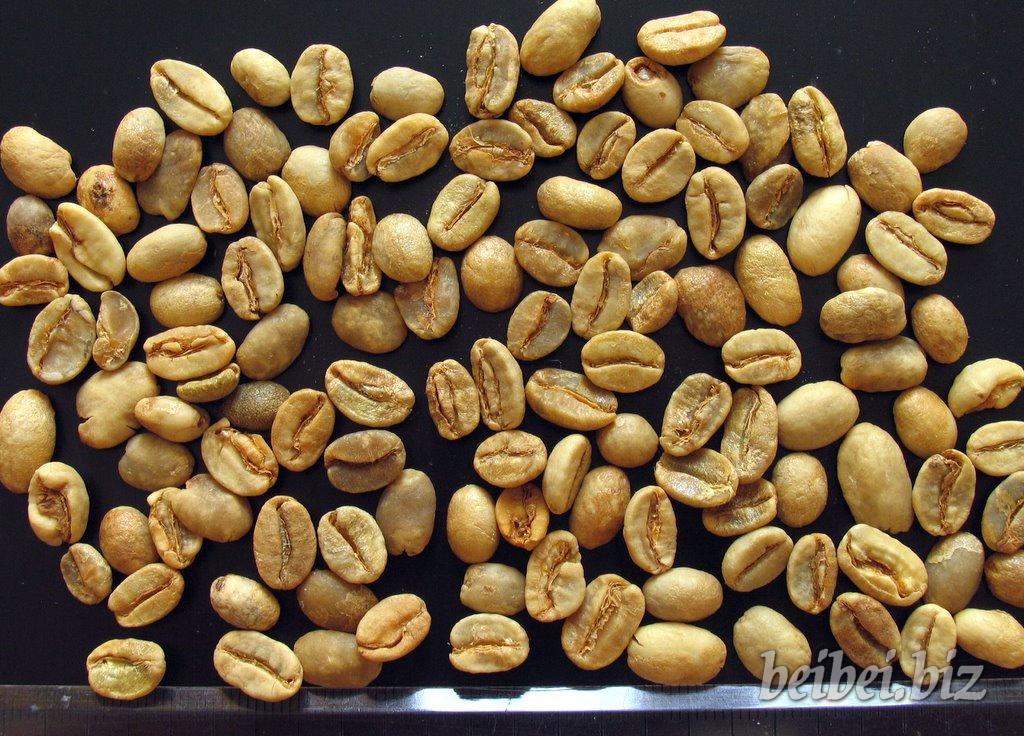
Boutique coffee beans: Ethiopian Harald mocha coffee beans (Ethiopian Harar mocha
Ethiopian Harald mocha beans (Ethiopian Harar mocha) lightly roasted Harald coffee beans, brewed in a siphon coffee pot, really have a hint of citrus aroma! This Harald harar raw coffee bean looks like grade 5, irregular, long beans (longer flat beans), short flat beans, round beans, cracked beans, mutated beans, etc.

The flavor and taste of Ethiopian coffee introduces the characteristics of Ethiopian coffee varieties in Ethiopia.
Ethiopian beans look a little malnourished. However, the appearance of beans, Ethiopian coffee can be ranked as the world's most citrus aroma, whether instant coffee or freshly ground coffee, the extraction will smell the pungent aroma of orange or lemon. The entrance is characterized by strong floral, fruity, sour and sweet aromas, but mellow in thickness.

Ethiopian Coffee Boutique Flavor Manor Producing Area Taste Introduction Ethiopian Coffee Brand
1. Limu coffee grows between 1400 meters and 2000 meters above sea level. washed coffee. Excellent quality, with intense nutty aromas, moderate acidity and wine intensity. Annual production of 29,000 tons. Gima coffee grows between 1400 and 1800 meters above sea level. Sunburn coffee. Slightly sour, nutty and long finish. Annual production of 70,000 tons. 3. Gambi Coffee

Introduction to the flavor and taste of Ethiopian coffee beans grading of Ethiopian coffee beans
Ethiopian beans look a little malnourished. However, the appearance of beans, Ethiopian coffee can be ranked as the world's most citrus aroma, whether instant coffee or freshly ground coffee, the extraction will smell the pungent aroma of orange or lemon. The nose is characterized by strong floral, fruity, sour and sweet aromas, but the alcohol is slightly thicker or less dense. The biggest disadvantage is that it is easy to bake unevenly, especially
Description of flavor characteristics of Ethiopian coffee beans Price recommendation of Ethiopian boutique coffee beans
Professional coffee knowledge exchange more coffee bean information please follow the coffee workshop (Wechat official account cafe_style) Ethiopia is the hometown of Arabica coffee, it is in the forests of the Kaffa region that you can see wild Arabica coffee. In Ethiopian, coffee

Ethiopian coffee powder introduction of Ethiopian coffee beans
Now, Ethiopia produces coffee not only for drinking, but also for coffee lovers around the world to enjoy it better. With the continuous improvement of the quality and production efficiency of the coffee industry, Ethiopia is now more than ever able to provide high-quality coffee to even the most picky and discriminating customers. Ethiopia hopes that not only the world